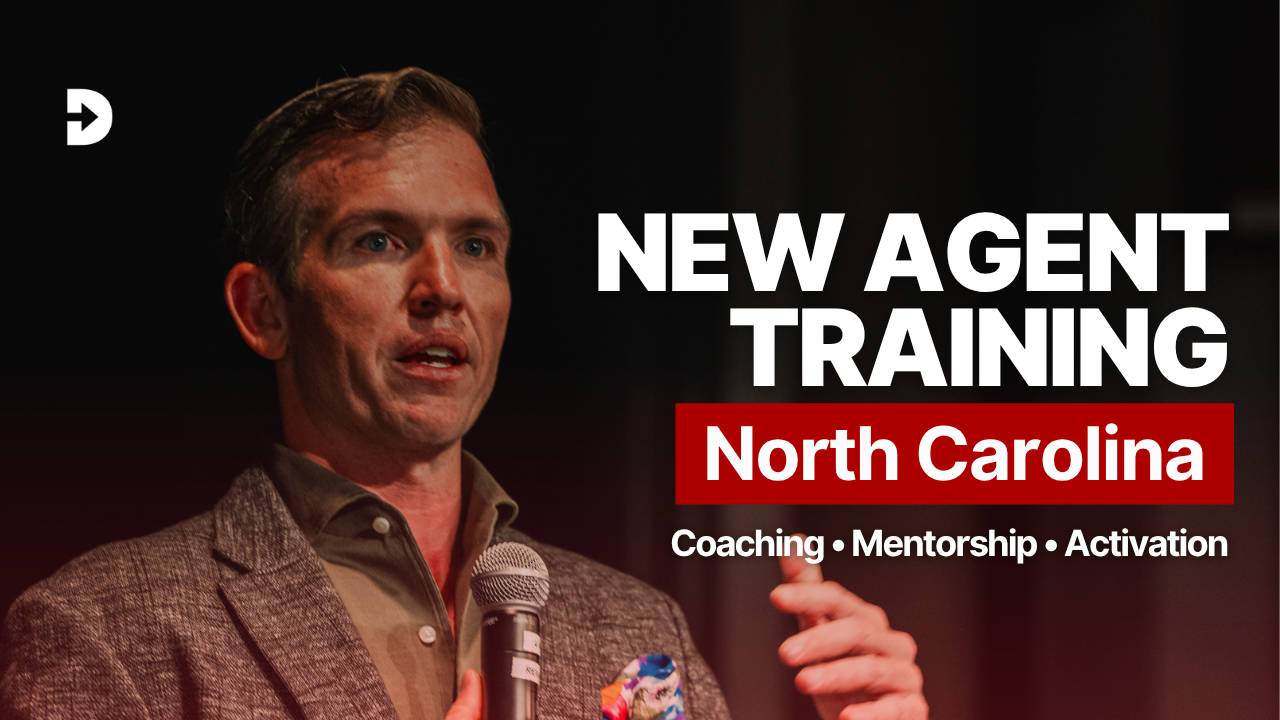

After 35 years in finance, Devon Fleming had already built the kind of career many professionals spend decades pursuing.
She worked in New York, Connecticut, and Wall Street, with experience in investment banking and quantitative analytics. She understood structured environments, professional expectations, and the security that came with working for prestigious financial firms.
But she wanted something different.
She wanted ownership.
Nearly seven years ago, Devon came across an opportunity that challenged everything she had known about traditional careers. Her first reaction was skepticism.
I had always worked for very prestigious name companies. So I was very skeptical when I first saw it.”
Then she joined a conference call and began seeing the opportunity differently.
I was really excited about the passive income. I could build something. I don’t want to have to work forever.”
For Devon, the transition wasn’t simply about leaving finance. It was about creating more control over her time, income, and future.
Watch her full interview below and discover how she achieved that.
Key Takeaways
A successful career doesn’t always mean you’ve reached your full potential.
Previous professional experience can become an advantage when transitioning into insurance.
Personal growth is often the first step toward business growth.
Becoming an insurance agent requires more than learning how to sell.
Mentorship and leadership can shape long-term success.
From Finance to Ownership
Devon’s background made her an unlikely candidate for a complete career shift.
After 35 years in finance, she understood demanding professional environments, high standards, and traditional measures of success. She had built a respected career and earned the stability that came with it.
But she also recognized a limitation.
She had built a career, but she didn’t own what she was building.
That distinction became increasingly important as she thought about what she wanted from the next chapter of her life.
Her experience also gave her a valuable foundation for the transition. Finance had already taught her discipline, analytical thinking, communication, and relationship-building. Those skills can translate well into insurance.
An insurance agent job description involves much more than selling policies. Agents educate clients, understand their needs, communicate solutions, build relationships, and continue developing their professional skills.
For someone researching how to become an insurance agent, Devon’s story offers an important perspective. You don’t necessarily need to start your professional life over. You can bring the skills you’ve already developed into a new environment and build on them.
Devon credits the Delaney Insurance Agency leadership as transformative for anyone wanting to become an insurance agent
Watch Devon Describe the Leadership Impact
If you want to hear Devon explain the influence Brian had on her growth, watch this short clip.
“Brian has just been profoundly impactful on my life.”
She speaks about humility, transparency, and wisdom.
“He has completely changed my life.”
Leadership here is not positional.
It is relational.
It is modeled.
It is lived.
Leadership in Her Own Words
Here is another moment where Devon explains why leadership made the difference.
If culture and mentorship matter to you, explore our step by step training and mentorship system and see how leadership development is built into the process.
Security or Freedom?
Devon describes the decision in simple terms:
You can’t have security and financial freedom at the same time. It’s one or the other.”
For decades, traditional employment had provided Devon with predictability.
But predictability and freedom aren’t always the same thing.
A traditional career can provide a consistent salary and established structure, while building a business requires more responsibility and uncertainty. At the same time, ownership can create opportunities that aren’t tied to a predetermined salary or corporate career ladder.
Devon chose the latter.
If you believe in it and you want it and you’re willing to grow, you can definitely have it. I’ll never go back.”
Her experience is particularly relevant for professionals considering how to get into insurance sales after years in another industry. The transition isn’t about abandoning everything you’ve learned. It’s about applying those skills in an environment where personal development, relationships, and leadership can create a different path forward.
At The Delaney Agency, that philosophy is reflected in the way agents are supported throughout their development. Learn more about the culture and principles behind that approach through our Mission & Values
Growth Starts Within
Devon’s biggest transformation didn’t begin with a change in career.
It began with a change in herself.
She openly shares that there were periods when she wanted to quit and moments when she questioned whether she could make the business work. Eventually, she recognized that changing her circumstances alone wasn’t enough.
Nothing in life will change unless we change.”
That realization shifted her approach.
Instead of focusing on what was happening around her, Devon began focusing on what she could change within herself.
Her habits.
Her mindset.
Her willingness to learn.
Her commitment to personal development.
She made growth a daily practice through reading, reflection, and intentional improvement. Over time, those habits changed how she approached her business and leadership.
This is one of the most important lessons for anyone considering whether they should become an insurance agent. The requirements to become an insurance agent may begin with licensing and training, but long-term success requires much more than checking those boxes.
It requires the willingness to keep learning.
Leadership Changes the Path
Devon also credits leadership and mentorship with playing a major role in her transformation.
She describes Brian Delaney’s influence as profound:
Brian has just been profoundly impactful on my life.”
She explains further:
He has completely changed my life.”
For Devon, leadership wasn’t about someone simply telling her what to do. It was about having an example to learn from and an environment that encouraged her to become a stronger version of herself.
That distinction matters for anyone evaluating an insurance opportunity.
When researching the requirements to become an insurance agent, it’s easy to focus only on licensing, appointments, and initial training. Those are important steps, but they don’t tell the entire story.
The environment you enter after getting started matters too.
Mentorship can help new agents understand the business, develop communication skills, learn from experienced professionals, and build the confidence needed to serve clients effectively.
For more insight into how agents develop within the organization, explore The Delaney Agency and learn more about the culture behind Devon’s experience.
Freedom Requires Growth
Devon’s journey didn’t stop when she built a business of her own.
In many ways, that’s when the deeper work began.
She had to develop new habits, challenge old assumptions, and become comfortable with a level of responsibility that was very different from her previous career in finance.
Devon compares that process to physical fitness. You don’t work out once and expect permanent results. You build strength through consistent effort.
She approaches business growth the same way.
My success today is really a function of my daily habits and what I’m putting into it.”
That mindset helped her navigate difficult seasons without allowing temporary setbacks to define her future.
There were personal hardships and moments that knocked her off course. But Devon eventually recognized that those experiences could become part of her growth rather than reasons to stop.
It was through that pain that I was able to change and grow.”
For anyone researching how to become an insurance agent, this is an important lesson. Licensing and initial training can help you enter the industry, but long-term development comes from what you consistently do after you get started.
The Work Goes Beyond Sales
One misconception about becoming an insurance agent is that the career is only about selling.
Devon’s experience demonstrates a much broader path.
Building an insurance business requires communication, relationship-building, discipline, leadership, and the ability to understand what matters to the people you’re serving.
Those skills become even more important as an agent develops a team and takes on greater leadership responsibilities.
That’s why the Delaney Insurance Agency places such a strong emphasis on personal development and mentorship. The goal isn’t simply to teach agents how to complete a transaction. It’s to help them develop the skills and confidence required to build meaningful professional relationships and serve families effectively.
For someone considering whether they should become an insurance agent, it’s worth looking beyond the initial job requirements. Ask what kind of training, mentorship, and development will be available after you begin.
The environment can influence how far you are able to grow.
Flexibility Creates Options
One of the biggest differences Devon experienced after leaving traditional finance was flexibility.
Her schedule became more adaptable.
She could decide when to work and when to take time away.
She also gained access to bonuses and incentives that were different from what she experienced during her previous career.
My life is different. I would never go anywhere else.”
For Devon, flexibility isn’t simply about working fewer hours. It’s about having greater control over how work fits into her life.
That can be particularly valuable for professionals who are balancing family responsibilities, personal goals, or another career while exploring how to get into insurance sales.
Devon also believes women can bring valuable strengths to this type of career, particularly through communication, connection, and relationship-building.
Her message is straightforward:
Women by nature are connectors and wanting to help others, but they sometimes forget to help themselves.”
For people exploring a career change, the opportunity doesn’t have to look exactly like Devon’s journey. The important lesson is that your existing strengths and professional experience can become valuable assets in a new environment.
Build More Than Income
Devon’s story also challenges the idea that career success should be measured only by income.
She was already financially successful before making the transition.
What she wanted was greater control over what she was building and more flexibility in how she lived her life.
That distinction is important.
When people search for life insurance agent opportunities, they often begin by looking at compensation. But the long-term value of an opportunity can also come from the skills, relationships, leadership experience, and ownership you develop along the way.
Devon’s journey demonstrates what can happen when those elements come together.
She didn’t simply replace one job with another.
She built a different path.
Why Culture Matters
Devon strongly encourages people to experience the culture in person.
When discussing company conference, she puts it simply:
You got to get to conference.”
For her, being physically present provides something that a screen cannot fully replicate.
You can meet leaders.
You can connect with other agents.
You can see what people are building.
And you can experience the culture for yourself.
That matters because choosing an insurance opportunity isn’t only about evaluating a position. It’s about finding an environment where you can see yourself developing over the long term.
Devon’s experience is one example of the journeys featured in our Agent Success Stories, where professionals from different backgrounds share how mentorship, leadership, and personal growth have influenced their careers.
A Different Kind of Career Path
Devon Fleming spent 35 years building a successful career in finance.
Then she decided success could mean something different.
She chose ownership over predictability, personal growth over comfort, and long-term freedom over simply maintaining what she had already built.
Her story doesn’t suggest that everyone needs to leave a traditional career.
It shows that a successful career can still have another chapter.
For professionals considering how to become an insurance agent, Devon’s experience highlights several factors worth considering: your willingness to learn, the skills you already possess, the quality of your mentorship, and the culture of the organization you choose.
At The Delaney Agency, our focus is on developing people, not simply filling positions. If you’re ready to explore whether this path could be right for you, visit our Get Hired page to learn about the application, interview, training, and licensing process.
Devon’s story began with skepticism.
It continued with commitment.
And ultimately, it gave her something she had spent decades looking for: the freedom to build her future on her own terms.
You can’t have security and financial freedom at the same time. It’s one or the other.”
Frequently Asked Questions
What does it take to be an insurance agent?
Beyond licensing and product knowledge, successful agents need strong communication skills, consistency, relationship-building ability, coachability, and a willingness to keep developing professionally.
Can someone transition into insurance after a long career in another industry?
Yes. Professional experience in finance, sales, customer service, education, management, or other fields can provide transferable skills. Devon’s transition from 35 years in finance is one example of how previous experience can become a foundation for a new career.
What are the requirements to become an insurance agent?
Requirements vary by state, but generally include completing required education, passing the appropriate licensing examination, and meeting state licensing requirements. Training and mentorship can then help agents develop the practical skills needed to build their careers.
Is insurance sales only about selling policies?
No. The role can involve educating clients, understanding financial needs, building relationships, communicating solutions, developing a client base, and eventually mentoring and leading others.
Why is mentorship important for a new insurance agent?
Mentorship gives new agents access to experienced perspectives, practical guidance, accountability, and ongoing development. It can help shorten the learning curve while giving agents a stronger foundation for long-term growth.